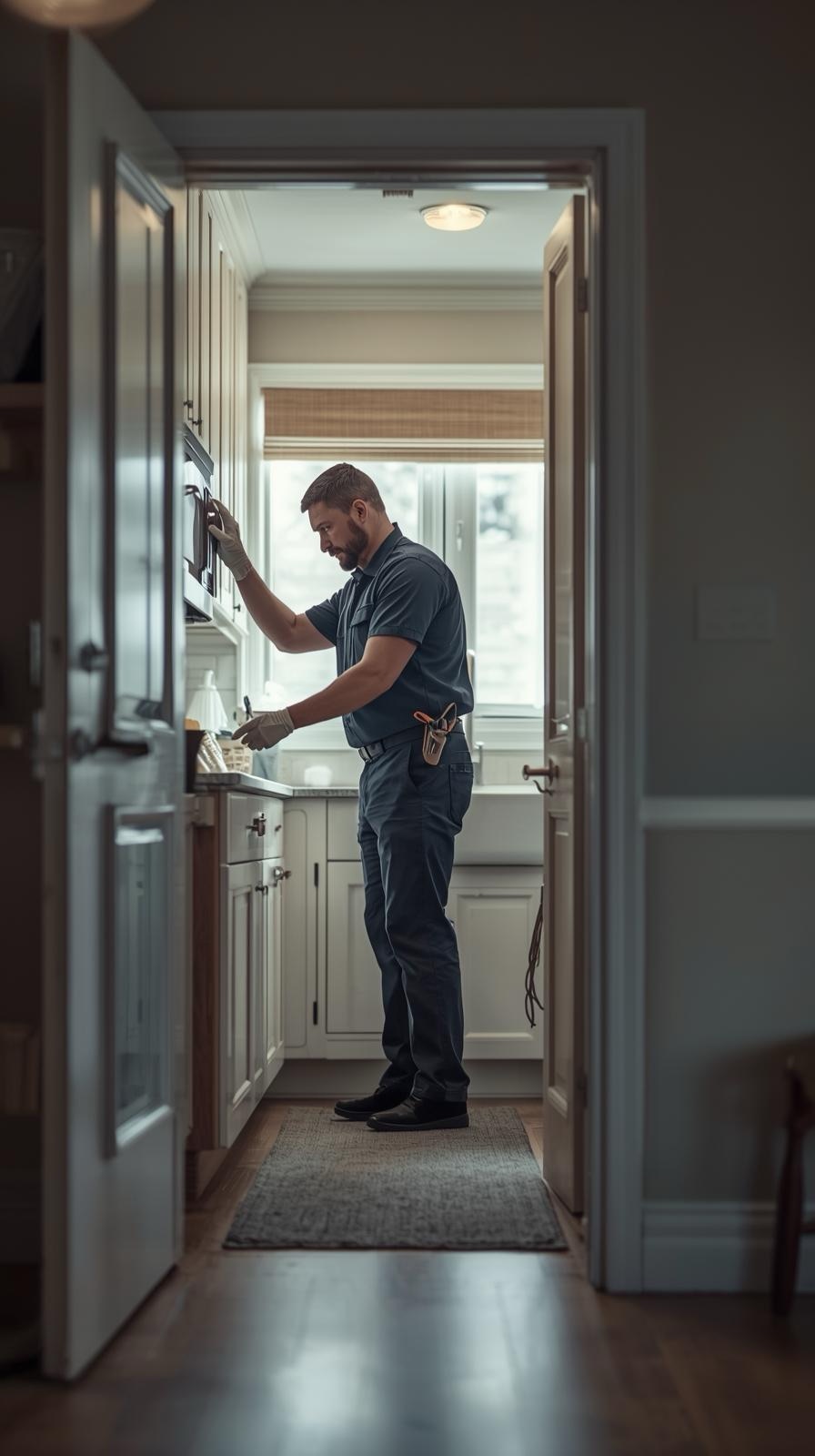
After working across a wide spectrum of multifamily assets—and living in them—I’ve seen something that deserves honest examination. It’s uncomfortable. It’s systemic. And it’s costing more than many owners realize.
The Pattern No One Wants to Name
In Class A properties—those leasing to residents earning $90,000+ annually—maintenance requests are treated with urgency and respect. Repairs are often completed within 24 hours. Seventy-two hours is the absolute outer limit. Staff follow up. Communication is professional. Residents are reassured, not interrogated.
Now contrast that with what frequently occurs in Class C, Housing Authority, and subsidized properties.
Same industry. Same federal and state obligations. Same full rent collected each month—whether directly from the resident or through a voucher program. Yet a very different standard of care emerges. Maintenance requests linger. Emergencies are reclassified as “non-urgent.”
Residents are told to wait, to be patient, to accept conditions that would never be tolerated in higher-rent communities. And over time, something more corrosive takes root.
The Dehumanization of “Lower-Rent” Residents
In many subsidized properties, residents are not just delayed—they are diminished.
They are:
Talked down to Met with hostility or indifference. Made to feel like a burden for requesting basic habitability. Intimidated into silence. Conditioned to believe that complaining risks retaliation or non-renewal.
This is not about difficult residents. This is about power imbalance. When people believe their housing is precarious, they stop advocating for themselves. And when management learns that silence is guaranteed, neglect becomes normalized. That should alarm anyone responsible for an asset.
Let’s Ask the Question Investors Should Be Asking: Why?
Why does urgency correlate with rent amount instead of legal obligation?
Why is a resident paying $800—with the balance paid by a voucher program—treated as less deserving of timely repairs when the owner still receives 100% of the rent?
Why does professionalism erode precisely where oversight should be highest? And perhaps most importantly:
Why are some management platforms comfortable operating two moral standards under the same ownership umbrella?
This Is Not Just a Values Issue — It’s a Compliance One
Under Texas Property Code §92, landlords are required to:
Remedy conditions that materially affect health and safety. Make repairs within a reasonable time after notice. Honor the implied warranty of habitability.
Under Fair Housing laws, disparate treatment based on source of income, race, disability, or other protected characteristics—including how services are delivered—can constitute discrimination.
And under HUD and Housing Authority standards, subsidized housing is held to higher, not lower, expectations of care. When residents in subsidized units consistently experience:
Slower response times. Poorer communication. Heightened intimidation. Inferior maintenance outcomes… that pattern is not accidental. It is systemic. And systemic disparities are exactly what regulators, attorneys, and enforcement agencies investigate.
Asset Managers: This Is Your Risk, Too – If you oversee assets where:
Residents fear retaliation for maintenance requests. Emergencies are minimized instead of mitigated. Site teams operate unchecked. Complaints only surface once regulators are involved
Then the issue is not “resident behavior.” It’s governance. Strong operators absorb problems onsite. Weak ones allow them to escalate until they become inspections, abatements, lawsuits, or reputational damage.
A Hard Truth: A person’s rent amount does not determine their humanity.
And it certainly does not diminish your legal or ethical obligations.
If an organization delivers excellence only when residents can “afford” to complain, that is not operational efficiency—it is moral failure dressed up as process. And investors should ask themselves:
What does this say about the culture operating my asset when no one is watching?
The Standard Should Be Simple
A resident paying $3,000 a month and a resident paying $800 a month are owed the same:
Dignity. Timely maintenance. Safe housing. Professional communication. Because the lease does not change. The law does not change. And the rent—ultimately—does not change for the owner.
Disparities in maintenance response are not just operational gaps. They are reflections of what we believe certain people deserve. And if this industry wants to talk about ESG, risk mitigation, and long-term value— then it must first be willing to confront the quiet, normalized neglect happening at the margins of its portfolios.
Not because regulators demand it. But because conscience should.
Dionne Bell, ARM, CPM, CCIM
Advocate | Investigative Journalist
Uncovering stories that matter
Cornelius and Associates, Residential Property Management
 Cornelius & Associates Residential Management
Leave a comment